
Best Hair Serum for Hair Fall: Ultimate Growth Guide

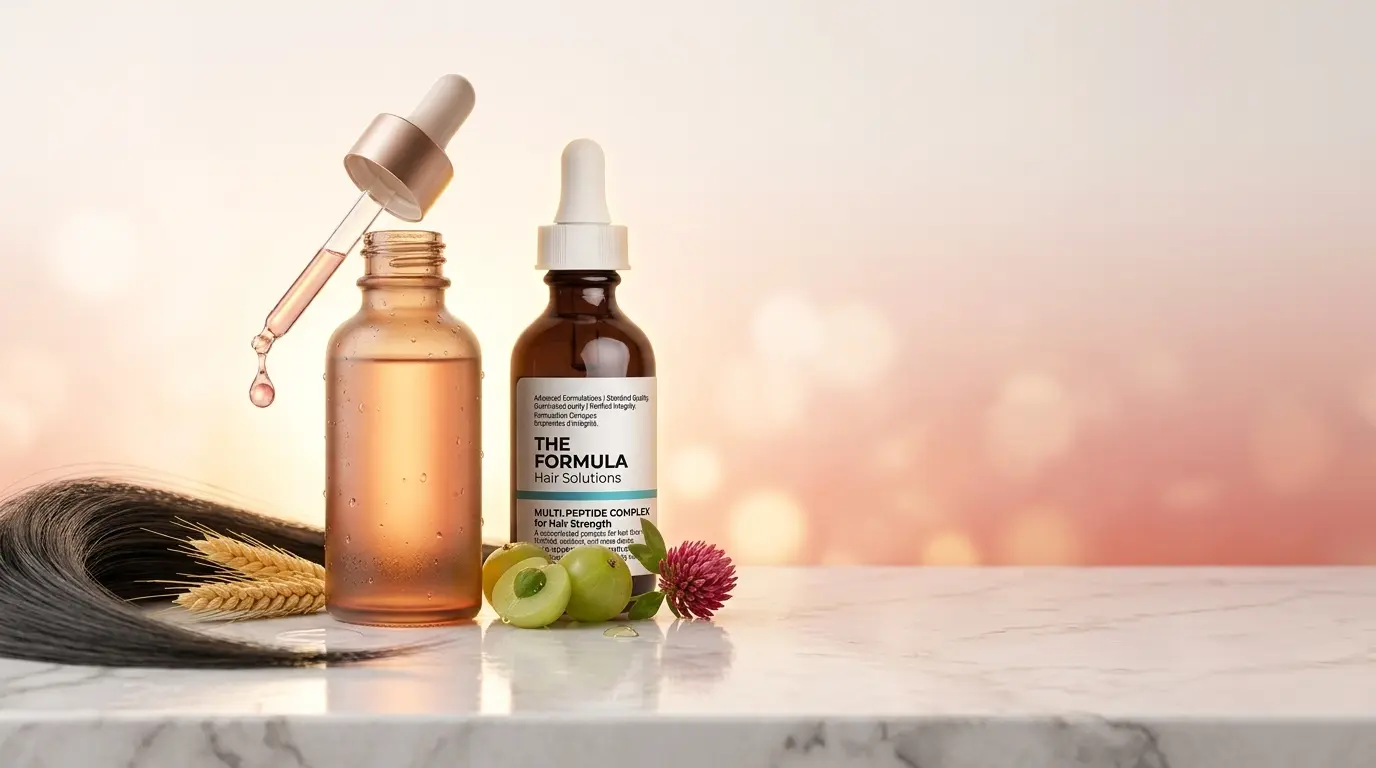
A specialized hair serum for hair fall works by delivering active ingredients directly to the scalp to prolong the hair’s active growth (anagen) phase, block follicle-shrinking hormones, and improve root anchoring. Unlike temporary cosmetic styling options, clinical best hair growth serums target the dermal papilla to reverse hair thinning and actively stabilize shedding within 90 days.
Waking up to a pillowcase covered in loose strands or watching clumps spiral down the shower drain can feel like an absolute crisis.
Instead of offering temporary cosmetic fixes, a specialized clinical serum delivers active ingredients directly to the scalp, targeting the dermal papilla to block follicle-shrinking hormones and improve root anchoring.
By actively prolonging the hair’s natural growth (anagen) phase, these formulations are engineered to stabilize shedding and reverse noticeable thinning within 90 days. At Fashion Skin Care BD, we skip the marketing gimmicks and look straight at the clinical data to help you restore your hair’s true density.
Quick Summary & Key Takeaways
For fast-scrolling readers, here is the clinical breakdown of maximizing your hair retention journey:
- Target the Root, Not the Shaft: Hair fall treatments require penetration into the clean scalp to reach the dermal papilla. Styling serums do not stop hair fall.
- Identify the Cause: Differentiate between shedding (hair falling with the white bulb intact) and breakage (snapping due to poor tensile strength).
- Look for Proven Actives: Prioritize clinical-strength peptides (Baicapil, Acetyl Tetrapeptide-3) and natural 5-alpha reductase inhibitors, such as Amla.
- Commit to 90 Days: True cellular shifts take 3 to 6 months. Consistency is mandatory to prevent reversing your progress.
Waking up to a pillowcase covered in loose strands or watching clumps spiral down the shower drain can feel like an absolute crisis. In Bangladesh, where intense tropical humidity, heavy air pollution, and harsh tap water salinity constantly assault our scalp health, managing hair thinning is an uphill battle.
Understanding the Science: Can a Serum Really “Regrow” Hair?
To determine if a topical product can actually combat hair thinning, we have to look below the surface of the scalp. Hair growth isn’t magical; it is a highly regulated biological process.
The Three-Phase Cycle
Every individual strand of hair on your head operates independently within a continuous lifecycle divided into three distinct phases:
- Anagen (Growth Phase): The active phase, where cells in the root divide rapidly. This can last anywhere from 2 to 7 years.
- Catagen (Involution Phase): A brief transitional stage lasting 2 to 3 weeks, where growth stops, and the outer root sheath shrinks.
- Telogen (Resting Phase): A 3 to 4-month period where the hair remains completely dormant before naturally shedding to make room for a new strand.
An effective Anti-hair fall serum for women and men works by artificially prolonging the Anagen phase while preventing follicles from prematurely slipping into the Telogen phase.
The Role of Follicle Density
The human scalp contains roughly 100,000 terminal hair follicles. When hair loss occurs, these follicles don’t vanish immediately; instead, they undergo “miniaturization,” producing thinner, shorter, and more fragile strands.
Top-tier serums target the dermal papilla, the biological engine at the base of the follicle, to transition dormant follicles back into the active growth phase earlier, actively preserving overall strand density.
Medical vs. Cosmetic Approaches
It is vital to draw a line between medical interventions and advanced cosmetic formulations:
| Category | Typical Active Ingredients | Primary Mechanism | Best Suited For |
| Medical / Pharmaceutical | Minoxidil, Finasteride | Vasodilation, systemic DHT hormone blocking | Androgenetic Alopecia (Pattern Baldness) |
| Advanced Cosmetic / Botanical | Peptides, Amla, Rosemary Oil, Redensyl | Scalp nourishment, local 5-alpha reductase inhibition, and cell renewal | Telogen Effluvium, stress, pollution, nutritional thinning |
Addressing the Core Problem
Hair loss is rarely caused by just one factor. In Bangladesh, shifts due to chronic stress, poor nutrition, and profound hormonal changes (such as pregnancy, postpartum recovery, or menopause) alter your body’s chemistry.
Topical treatments provide the structural foundation for recovery, but they must be paired with healthy habits. There is no overnight “quick fix”; true cellular repair takes time.
The “Fake” Hair Fall Myth: Why Your Serum Isn’t Killing Your Hair
One of the most common complaints dermatologists hear is: “I started a new routine, and now I’m losing more hair!” Before throwing your product away in a panic, let’s look at what is actually happening to your scalp.
Mechanical Stress vs. Product Failure
A large portion of daily hair loss doesn’t result from a formulation failure; it results from aggressive handling. Applying a viscous product to tangles, rough towel-drying, or brushing wet hair creates intense friction. This mechanical stress pulls out weak strands that were already resting in the Telogen phase.
The Buildup Blunder
In a humid environment, sweat mixes with airborne dust, creating a stubborn film on your scalp. If you use a heavy product daily without shampooing regularly, you risk creating a dense layer of residue. This buildup suffocates the root, compromises your scalp health, and leaves hair looking limp and thin.
Shedding vs. Breakage
It is crucial to diagnose exactly how your hair is failing:
- Shedding: The hair falls out naturally from the root. You will see a tiny white bulb at the very tip of the strand.
- Breakage: The hair snaps mid-shaft. There is no white bulb. This occurs when the hair’s internal protein bonds are degraded by bleach, heat styling, or environmental pollutants, meaning you need structural repair rather than a scalp stimulant. Therefore, the answer to do hair serum damage hair depends entirely on whether you are misusing a styling product on your roots or neglecting your hair’s protein levels.
The “Anagen Kickstart” Effect
When you introduce a clinical strength hair growth serum containing active ingredients like Minoxidil or intense peptide complexes, it rapidly jumpstarts your scalp’s cellular metabolism.
To make way for new, thick, healthy Anagen strands, the follicle actively forces old, weak Telogen strands out all at once. This temporary, accelerated shedding phase is actually a clear sign that your treatment is working.
Styling vs. Scalp Serums: The Critical Application Mistake You’re Likely Making
Misapplying a hair care product can completely derail your results. You must clearly separate your styling routine from your targeted scalp treatments.
The Mid-Length Rule for Styling
Traditional styling serums are loaded with synthetic silicones designed to coat the hair shaft, lock out humidity, and boost shine. These products should never touch your scalp. If applied directly to the roots, silicones seal the hair follicle pores, trap sebum, and can trigger severe folliculitis.
The Scalp-Only Treatment Protocol
True anti-hair fall serums are lightweight, water-based, or low-viscosity liquids formulated to sink into the skin. To apply them correctly:
- Divide your hair into clean, 1-inch partings using a comb.
- Apply a few drops of the serum directly onto the exposed skin of your scalp.
- Use your fingertips to press the formula in, focusing intently on problem areas like the hairline and crown.
Frequency and Dosage Nuance
Consistency beats quantity every single time. Emptying half a bottle onto your head at once won’t accelerate your results; it will only trigger scalp irritation.
Apply the exact dosage recommended by the manufacturer, typically 1 ml or a full dropper, every night before bed to align with your body’s natural overnight cellular repair cycle.
Pro-Tip: Maximize your investment by pairing your nightly scalp routine with a dedicated silicone scalp massager or a low-level LED light therapy device. Gently massaging the scalp for 3 to 5 minutes dramatically boosts microcirculation, carrying freshly oxygenated blood and essential nutrients straight to the dermal papilla.
Ingredient Deep-Dive: What Actually Works According to Clinical Data?
Don’t let beautiful packaging trick you. Flip the bottle over and check the ingredient list for these clinically vetted actives.
The Ayurvedic Powerhouse (Amla)
Emblica officinalis (Amla) is backed by modern clinical research. It serves as a potent natural 5-alpha reductase inhibitor, the specific enzyme responsible for converting testosterone into DHT (the hormone that causes hair follicles to shrink). By blocking this pathway locally, Amla helps keep your hair follicles plump and active.
Micronutrients and Growth Promoters
Advanced formulations utilize bio-liquefied nutrients, such as freeze-dried coconut water, and trace elements, such as selenium. These micronutrients provide your skin with amino acids and antioxidants, protecting mammalian tissue from oxidative stress while reducing shedding of body and scalp hair.
Biotech Peptides
Modern trichology relies heavily on smart biomimetic peptide blends:
- Baicapil: A synergistic combination of Scutellaria baicalensis, soy, and wheat sprouts that visibly increases cellular energy.
- Acetyl Tetrapeptide-3: Works in tandem with Red Clover extract to anchor the hair fiber firmly into the follicle, reducing premature shedding.
Bioavailability Enhancers
The best ingredients are useless if they sit on top of your head without absorbing. Look for formulations containing natural bioavailability enhancers, such as Tetrahydropiperine (a black pepper extract). This ingredient temporarily relaxes the skin’s lipid barrier, allowing therapeutic actives to penetrate deeply into the root.
The 90-Day Roadmap: Setting Realistic Expectations for New Growth
Hair restoration requires dedication. Here is what a realistic, clinically backed timeline looks like when utilizing a premium product from Fashion Skin Care BD:
- Month 1: Stabilization
- Month 2: Density Shift
- Month 3: Result Peak
Month 1: The Stabilization Phase
During the first 30 days, your main goal is optimization. You will notice a major drop in scalp irritation, reduced flaking, and a healthier overall environment. While you might experience a brief increase in shedding due to the “Anagen Kickstart,” your existing hair fibers will begin anchoring securely into the scalp.
Month 2: The Density Shift
By day 60, the internal structure of your hair begins to change. TrichoScan digital imaging at this stage reveals increased terminal hair density. The fine, fuzzy baby hairs across your thinning areas will begin transforming into thicker, stronger strands.
Month 3: The Result Peak
At the 90-day mark, the true results take center stage. Clinical studies on peptide complexes show an impressive reduction in hair fall, in select test groups, alongside a noticeable boost in overall volume and hair growth velocity.
The Consistency Contract
Hair care is a long-term commitment. If you are using a clinical-strength product that blocks hair loss pathways, stopping treatment abruptly can cause your hair cycle to revert, meaning your hard-earned growth could gradually shed over the following months. Stick to your routine to protect your results.
Conclusion
Combating hair fall requires patience, proper technique, and clinically proven ingredients.
By swapping out heavy, silicone-based styling products for a targeted scalp routine, you can protect your hair follicles from environmental stress and premature shedding.
Ready to transform your hair care routine? Head over to Fashion Skin Care BD to find premium, authentic hair serum formulations designed specifically for your scalp’s unique needs.
Treat your hair with the same care you show your skin, and enjoy a healthier, thicker hair.
Frequently Asked Questions
Does hair serum cause hair fall if used every day?
No, a properly formulated, water-based growth serum will not cause hair fall when used daily. In fact, daily application is usually required to keep active ingredients working consistently in your scalp.
What is the difference between a hair growth serum and a styling serum?
A hair growth serum is a lightweight, nutrient-rich treatment applied directly to the scalp to feed the roots and promote new growth. A styling serum is a silicone-based product designed for the mid-lengths and ends of your hair to smooth down frizz, coat the cuticle, and add shine.
How long does it actually take for hair growth serums to work?
It takes roughly 90 days of consistent, daily use to see a visible transformation. While scalp health can improve within the first few weeks, true changes in hair density and thickness require 3 to 6 months to match your hair’s natural growth cycle.
Can I apply hair serum directly to my scalp?
You should apply hair growth serums directly to your scalp using targeted partings. Conversely, styling and anti-frizz serums should never touch your scalp; they must be kept on the mid-lengths and ends of your hair.
Do silicones in hair serums lead to permanent hair loss?
Silicones do not cause permanent genetic hair loss. However, if you leave heavy silicones on your scalp for long periods, they can clog your hair follicles and trap oils. This can cause scalp inflammation and temporary shedding, known as telogen effluvium.
What ingredients should I avoid if I have a sensitive or itchy scalp?
If your scalp is sensitive or prone to itching, avoid formulas containing high levels of denatured alcohol, synthetic fragrances, parabens, and heavy essential oils such as high-concentration tea tree or peppermint oil, which can trigger contact dermatitis.
Is it normal to see more hair fall after starting a growth serum?
Yes, a temporary increase in shedding is common during the first 2 to 4 weeks. High-performance active ingredients jumpstart dormant follicles, causing them to shed old, thin hairs to make room for new, stronger strands.
Should I use a hair growth serum on wet or dry hair?
Most water-based growth serums are designed for dry or damp towel-dried hair. Applying serum to a soaking-wet scalp can dilute the formula, causing it to run off rather than absorb deeply into your skin.
